Samburu safari community conservancies are the quiet side of one of Kenya’s most scenic wildlife regions. They sit alongside the county-run Samburu National Reserve but operate under a different idea. Local communities own the land, set the rules and share in the tourism income. For a solo traveler who wants privacy and real conservation value, they are worth serious attention.
The public reserve remains a fine safari destination. Yet if you are looking for private guiding, walking safaris and lower vehicle density, the conservancies often deliver more. Here is how they work and which one fits your style.
What are Samburu safari community conservancies?
Samburu community conservancies are locally owned wildlife areas surrounding or extending beyond Samburu, Buffalo Springs and Shaba reserves. Communities retain land and governance rights while tourism, ranger work and conservation agreements help protect wildlife corridors and support livelihoods. They are not the same as the county-run Samburu National Reserve.
The name covers a family of areas that work under the umbrella of the Northern Rangelands Trust. That organization helps communities set up governance, manage grazing and train rangers. Each conservancy sets its own access rules, camp standards and fee structure.
This matters for your safari. In the reserve, you follow park rules. On community land, the conservancy and your camp set the pace. That can mean a private vehicle, a guided walk at dawn or a night drive after dinner.
Which community conservancies are near Samburu National Reserve?
The most relevant conservancies for visitors are Kalama and Westgate beside Samburu National Reserve, plus larger Namunyak and Sera areas farther north and northeast. Meibae and other Northern Rangelands Trust conservancies extend the wider ecosystem. Exact camp access varies, so the lodge’s location matters as much as the conservancy name.
Use these as a starting point:
- Kalama Conservancy borders the reserve on the east, with rugged hills and private camps.
- Westgate Community Conservancy borders the reserve on the west, with riverine forest and good Grevy’s zebra habitat.
- Namunyak Wildlife Conservancy stretches north toward the Mathews Range and includes the Reteti Elephant Sanctuary.
- Sera Wildlife Conservancy lies farther northeast and is home to the community-owned Sera Rhino Sanctuary.
A camp can be technically near the reserve but have no direct gate access. When you compare packages, ask which conservancy gate the camp uses and how long the transfer takes.
Kalama, Westgate, Namunyak or Sera: which is best?
Kalama suits travelers wanting dramatic scenery, privacy, walking and night drives; Westgate offers easy proximity to Samburu and strong Grevy’s zebra habitat. Namunyak is the choice for elephants, the Mathews Range, Reteti and remote camps, while Sera is strongest for rhino-focused conservation experiences. The best option depends on wildlife priorities and camp location.
| Conservancy | Location | Best for | Typical camp style |
|---|---|---|---|
| Kalama | East of Samburu National Reserve | Rugged scenery, walking, night drives, privacy | Small tented camps and seasonal mobile camps |
| Westgate | West of Samburu National Reserve | Grevy’s zebra, reserve access, riverine views | Classic permanent camps near the Uaso Nyiro |
| Namunyak | North toward the Mathews Range | Elephants, Reteti, remote wilderness | Low-impact eco-camps and private concessions |
| Sera | Northeast, beyond Namunyak | Sera Rhino Sanctuary, conservation focus | Conservation-oriented lodges and tented camps |
For a first Samburu stay, Kalama and Westgate are convenient because they sit close to the reserve. For a deeper wilderness feel, Namunyak rewards travelers who do not mind longer drives. Sera is the pick for rhino.
What wildlife can you see in the conservancies?
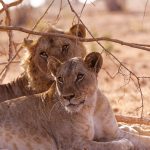
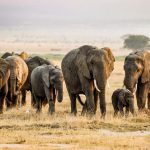
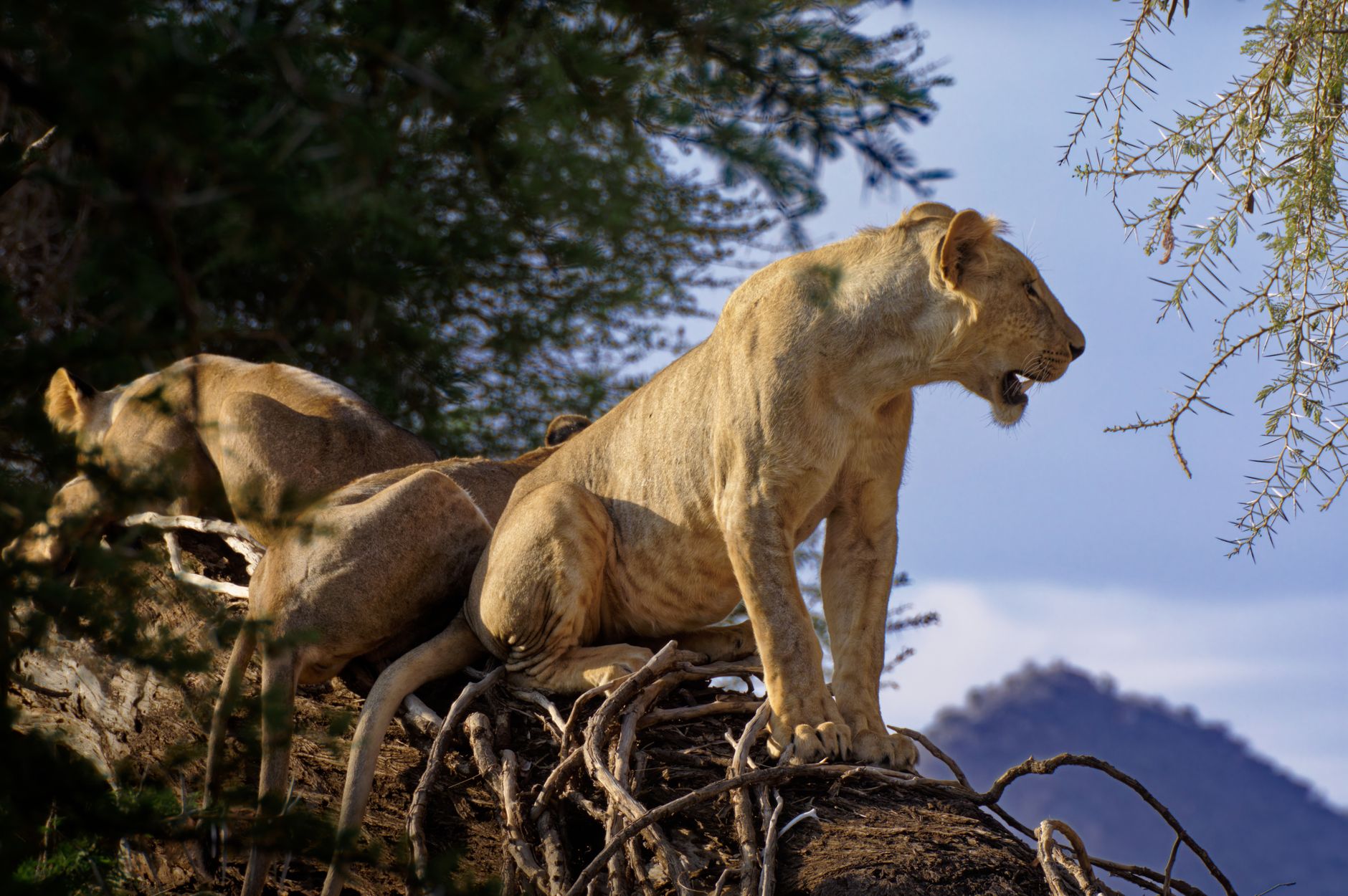
Expect Samburu’s northern specialties, Grevy’s zebra, reticulated giraffe, gerenuk and beisa oryx, alongside elephant, lion, leopard, wild dog and abundant birdlife. Sightings remain seasonal and habitat-dependent rather than guaranteed. Namunyak is particularly notable for elephants, Westgate for Grevy’s zebra, and Sera for its community-owned rhino sanctuary.
The conservancies are dry country, and animals move with water and pasture. A reliable river or waterhole concentrates wildlife, especially in the dry months. Your guide’s local knowledge matters more than the name of the conservancy.
Photographers should plan for bright sunlight, dusty conditions and quick animal movement. For camera settings and editing advice, see our Samburu safari photography guide.
Which safari activities are allowed?
Community conservancies can permit activities unavailable inside Samburu National Reserve, including guided walking safaris and, in suitable areas, night drives. Local Samburu guides and armed rangers interpret tracks, plants, culture and wildlife behavior on foot. Rules differ by conservancy and camp, so confirm activities before booking rather than assuming every property offers both.
Walking safaris are the biggest draw for many solo travelers. A two-hour morning walk can teach you more about the bush than a full day in a vehicle. Night drives open a different world of predators, bush babies and nightjars.
Inside the public reserve, vehicle-based safaris are the norm and night driving is restricted. If those activities are essential to you, a conservancy-based camp is the safer choice.
How do conservancies support Samburu communities and conservation?
Tourism revenue can return to communities through conservancy fees, bed-night payments, employment, local guiding and camp partnerships. Conservancy governance also supports ranger teams, ecological monitoring, peacebuilding, grazing management and social projects such as education or healthcare. The model keeps wildlife corridors open while allowing pastoral communities to retain ownership and decision-making rights.
Reteti Elephant Sanctuary in Namunyak is a good example. It is community owned and cares for orphaned elephants before returning them to the wild. Sera Rhino Sanctuary is another, with local rangers protecting black rhino on community land.
When you pay a conservancy fee, part of it funds those rangers and programs. The exact split varies by conservancy, but the direction is transparent. Your safari budget flows into the same landscape you came to enjoy.
When is the best time to visit Samburu conservancies?
June to October usually brings concentrated wildlife around water and reliable road conditions, but it can be busier and more expensive. January to March offers warm, dry conditions and often fewer visitors. November and December bring greener landscapes and active birdlife, while April and May may mean softer roads but lower rates and quieter camps.
| Season | Conditions | Crowds and rates |
|---|---|---|
| Jun to Oct | Dry, wildlife concentrated near water, good roads | Busier, higher rates |
| Jan to Mar | Warm and dry, fewer visitors | Quieter, moderate rates |
| Nov to Dec | Green landscapes, migratory birds | Lighter crowds, lower shoulder rates |
| Apr to May | Rain possible, soft roads | Lowest rates, quietest camps |
There is no perfect month for every traveler. Wildlife viewing is generally strong in the dry months, but the green season brings fresh landscapes and a different energy. The trade-off is honest: lower rates often come with weather risk.
How do you plan a luxury safari in a community conservancy?
Choose the conservancy around the experience you want, then select a small camp with clear community partnerships and reliable access. Kalama and Westgate work well for a first Samburu stay with convenient reserve access, while Namunyak offers deeper remoteness. Solo travelers should prioritize private guiding, flexible activities, secure transfers and a camp with meaningful local interpretation.
For a luxury solo trip, ask about private vehicles and off-peak dates. A shared vehicle can be social, but a private vehicle gives you control over pacing and photography. Confirm whether the camp includes the conservancy fee in its quoted rate or bills it separately.
If you are comparing regions, the Ol Pejeta versus Samburu safari comparison helps you weigh rhino experiences against Samburu’s dry-country specialists. The Samburu versus Tsavo safari piece covers a different trade-off if you prefer open plains over hills.
Build in one full day per conservancy activity. A walking safari in the morning, a siesta in camp and a night drive after dinner make a balanced day.
What do travelers frequently ask about Samburu conservancies?
Is Kalama Conservancy the same as Samburu National Reserve?
No. Samburu National Reserve is a county-run public reserve, while Kalama is a separately managed, community-owned conservancy bordering the reserve. Their rules differ: walking and night drives may be available in Kalama but are generally not permitted inside the main reserve.
Can you do walking safaris in Samburu conservancies?
Yes. Guided walking safaris are available in selected conservancies such as Kalama, Westgate and Namunyak, usually with trained local guides and armed rangers. Walking is generally restricted inside Samburu National Reserve, so a conservancy-based camp is the better choice for this activity.
Can you do night drives in Samburu conservancies?
Night drives may be offered in community conservancies because they operate under different management rules from Samburu National Reserve. Kalama is specifically associated with night-drive access, but availability depends on the conservancy, camp and current operating conditions. Confirm when booking.
What animals can you see in Samburu community conservancies?
Common targets include Grevy’s zebra, reticulated giraffe, gerenuk, beisa oryx, elephant, lion and leopard, with wild dog possible in suitable areas. Namunyak is especially associated with elephants, Westgate with Grevy’s zebra and Sera with rhino conservation. Wildlife sightings are never guaranteed.
How do Samburu conservancies benefit local communities?
Conservancies can generate income through tourism fees, lodge payments, employment, guiding and cultural enterprises. That revenue supports conservation teams and community priorities such as education, healthcare, security and grazing management, while local governance gives residents a role in land and tourism decisions.
How much is the conservancy fee in Samburu?
Conservancy fees are normally charged per person per night and are set by each conservancy. Most private camps include them in quoted rates. As an indicative range for 2026, published fees in northern Kenya commonly run from about $70 to $110 per night, but exact amounts depend on the camp, season and booking terms. Ask for a written breakdown.
How do you choose a safari operator for Samburu conservancies?
Look for operators with direct camp contracts, detailed knowledge of conservancy rules and transparent pricing. The right operator will tell you which conservancy a camp sits in, what activities are allowed and how fees are distributed.
Compare safari operators before you commit. Browse packages from FindMySafari, Valley Safaris or Trunktrails Safaris to find a trip that matches your dates and preferred camp style.
Where can you find more safari planning resources?
- Kenya national parks map from SafariPure
- Samburu National Reserve guide from Trunktrails Safaris
- Map of Samburu from Valley Safaris
- Samburu destination guide on FindMySafari